How Florida painters Recommend Painting Your House and Inspiring Wall Ideas
 Ronald Mitchell
Painting your home is not just about aesthetics; it plays a significant role in protecting your walls, enhancing durability, and maintaining the value of your property. Knowing when to repaint can save you from costly repairs later while keeping your home looking fresh. This section will explore how often you should paint your house and creative wall painting ideas to inspire your next project.
How Often Should You Paint Your House?
| Surface Type | Recommended Repainting Interval |
| Exterior Walls (Stucco) | Every 5-6 years |
| Exterior Walls (Wood Siding) | Every 3-7 years |
| Interior Walls | Every 5-10 years |
| Trim and Baseboards | Every 2-4 years |
| Ceilings | Every 10-15 years |
Consider Environmental Factors:
- Weather Exposure: Homes in areas with extreme sunlight or heavy rain might require more frequent exterior repainting.
- Coastal Regions: Salt air can corrode paint faster, making annual inspections vital.
- Interior Traffic: High-traffic areas like hallways or children’s rooms may need touch-ups every few years.
Creative Wall Painting Ideas
Once you’ve decided it’s time to paint, why not explore unique ideas to give your space character? Below are some creative suggestions for both interior and exterior projects.
Accent Walls
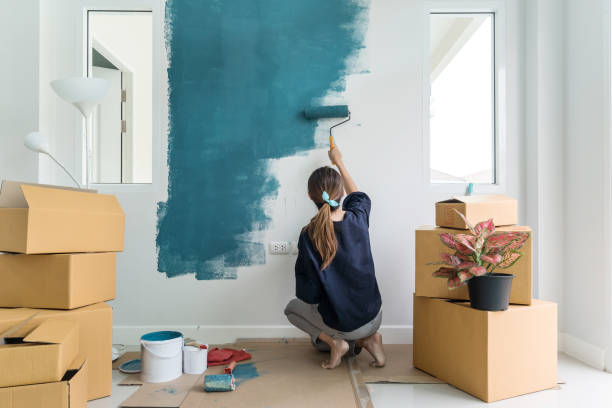
Accent walls are an excellent way to create focal points in any room. Choose bold or contrasting colors for one wall while keeping the others neutral.
Tips for Choosing the Right Accent Wall Color:
– Use deep shades like navy blue or forest green for a cozy atmosphere.
– Opt for bright colors like yellow or coral to energize small spaces.
– Match the accent wall color with furniture or décor items for a cohesive look.
Geometric Patterns
Geometric designs add an element of modernity and sophistication. Use painter’s tape to create triangles, hexagons, or diagonal stripes.
Steps to Create Geometrical Patterns:
1. Sketch out your design on paper first.
2. Apply base coat color and let it dry completely.
3. Use painter’s tape to outline shapes before applying secondary colors.
Stenciled Designs
Stenciling allows you to replicate intricate designs without hiring a professional artist. Choose floral patterns, abstract shapes, or even typography that complements your style.
Ombre Walls
Ombre effects involve blending two or more shades seamlessly across the wall – darker at the bottom transitioning into lighter tones at the top.
Key Tips:
– Use colors from the same family (e.g., light blue into dark blue).
– A sponge roller creates smoother gradients compared to traditional brushes.
Final Thoughts
Whether it’s maintaining your home’s façade by repainting regularly or experimenting with bold designs indoors, painting is an accessible way to revamp any space efficiently. Knowing when and how often each part of your home needs attention ensures you balance practicality with creativity effectively.
Finding the Right Painting Company Florida Trusts for a Flawless Finish
A flawless paint job is not just about selecting the right color or applying multiple coats. The underlying plastering plays a critical role in determining the overall finish, durability, and visual appeal of painted surfaces. Ignoring the condition of plaster can lead to uneven textures, peeling paint, or even structural issues over time. Here’s an in-depth look at how underlying plastering affects painting outcomes and ways to ensure a solid foundation for your next project.
Why Plastering Matters Before Painting
- Uneven Paint Finish: Any cracks, holes, or bumps in the plaster will show through the paint.
- Shortened Paint Lifespan: Poorly prepared surfaces can cause accelerated peeling or cracking.
- Difficulty in Achieving Desired Aesthetics: Textures from damaged plaster may prevent you from achieving smooth finishes or clean lines.
Plaster not only enhances the structural integrity of walls but also ensures that your paint adheres properly and lasts longer.
Common Issues with Underlying Plaster
- Cracks – Hairline cracks can be caused by structural movement or improper curing of previous layers.
- Dampness – Moisture seeping through walls can lead to bubbling paint and mold growth.
- Flaking Plaster – Loose sections of old plaster need to be removed before applying fresh coatings.
- Uneven Surfaces – Misshapen areas can create visible imperfections after painting.
Preparing Your Walls for Painting
- Check all surfaces for cracks, holes, damp spots, or flaking areas that need repair.
- Use filler materials specifically designed for patching up cracks or holes in plaster.
- Sand down uneven sections once repairs are complete.
- Identify sources of moisture (e.g., leaks) and address them before proceeding with repairs.
- Consider using waterproof primers for areas prone to dampness.
- For older walls with significant imperfections, adding a thin skim coat layer can help create a perfectly smooth surface.
- Always use an appropriate primer suited for your wall type (e.g., masonry primer for brick walls). Primers improve adhesion and seal porous surfaces.
How Proper Plastering Enhances Paint Performance
| Aspect | Without Proper Plastering | With Proper Plastering |
| Paint Longevity | Reduced lifespan due to peeling | Increased durability |
| Texture Consistency | Uneven appearance | Smooth surface |
| Adhesion Strength | Weak bond between wall & paint | Stronger coating adhesion |
| Aesthetic Appeal | Visible dents/cracks | Seamless finish |
Professional vs DIY Plaster Repairs
While minor repairs like filling small cracks can often be done yourself using premixed fillers and simple tools like putty knives, larger issues—such as extensive damp damage or cracked ceilings—may require professional attention. Skilled professionals have access to advanced techniques like re-plastering entire sections with precision tools for long-lasting results.
Taking shortcuts with preparation might save time initially but could result in costly fixes down the road if paint fails prematurely due to poor substrate conditions.
By prioritizing high-quality underlying plaster work before painting begins, you set the stage for impeccable results that’ll stand up beautifully over time while protecting your investment in both materials and labor efforts alike.
How House Painters Florida Ensure a Perfect Paint Job with Proper Plastering
Achieving a flawless paint job is not solely about selecting the right colors or using premium-quality paints. A significant yet often overlooked factor is the condition of the underlying plastering. Properly prepared plaster can ensure durability, enhance aesthetics, and prevent future problems such as cracks or peeling. Below, we’ll explore why plastering matters, common issues to look for, and how to address them for a seamless finish.
Why Plastering Matters in Painting
- Uneven Application: Defects in the plaster create an uneven surface that makes it difficult to apply paint smoothly.
- Reduced Longevity: Cracked or flaky plaster can lead to paint peeling over time.
- Moisture Problems: Imperfections can allow moisture infiltration, resulting in mold growth and damage.
By ensuring proper preparation of your walls through quality plastering, you can avoid these problems and achieve a polished result.
Common Issues with Underlying Plaster
- Hairline cracks: Small but noticeable cracks that can show through even after painting.
- Structural cracks: Larger cracks indicating potential foundational problems.
- Loose chunks or powdery surfaces undermine adhesion between paint layers.
- Moisture causes bubbling of both plaster and paint over time.
- Rough patches or depressions disrupt smooth application.
Steps to Prepare Plaster for Painting

- Inspect Your Walls Carefully examine all surfaces for signs of damage such as cracks, dampness, or crumbling areas.
- Fill small cracks with high-quality filler suitable for interior or exterior use.
- For larger or structural issues, consult a professional contractor.
- Sand Down Uneven Areas Use fine-grit sandpaper to smooth out rough areas and ensure uniformity across all surfaces.
- Seal Any Moisture Apply a moisture-resistant primer if you detect damp spots after repair work.
- Prime the Surface A primer not only helps seal imperfections but also allows better adhesion between the wall and the final coat of paint.
Tools and Materials Needed for Repair Work
| Tool/Material | Purpose |
| Filler | To patch small holes and minor cracks |
| Sandpaper (Fine Grit) | To smooth out uneven surfaces |
| Putty Knife | For applying filler |
| Primer | To seal patches and ensure adherence |
Benefits of Properly Prepared Plaster
- Enhanced durability of your painted surface
- Reduced likelihood of cracking or peeling
- Improved overall appearance with a smooth finish
- Cost savings by preventing frequent repainting due to underlying issues
By addressing these elements upfront, you’ll set the stage for a long-lasting and visually appealing result while reducing maintenance efforts down the road.
Enhance Your Space with Expert Painting Services Florida
Interior painting offers a fantastic opportunity to refresh your living space and give it a completely new look. With the right techniques, colors, and tools, you can transform your home into a reflection of your personal style while also increasing its overall aesthetic value. Below are some unique interior painting tips to guide you in creating a polished and inspiring environment.
Embrace Accent Walls for Visual Impact
- Choose the right wall: Pick a wall that naturally draws attention, such as the one behind a bed or sofa.
- Experiment with bold colors: Rich hues like deep teal, mustard yellow, or emerald green can make striking statements.
- Try patterns or textures: Consider using stencils, stripes, or geometric designs for added interest.
Explore Creative Painting Techniques
- Ombre effect: Blend two or more shades seamlessly for a gradient appearance on your walls. This technique works well in bedrooms and living rooms for a soft and sophisticated look.
- Sponging: Use a sponge to dab paint onto walls for textured effects that add depth.
- Color blocking: Divide walls into sections with different colors to achieve modern aesthetics.
- Metallic finishes: Incorporate metallic paints like gold or silver for an elegant touch.
Optimize Your Color Choices
| Room Type | Recommended Colors | Effect/Feel |
| Living Room | Neutral tones (beige/grey) | Relaxing & versatile |
| Bedroom | Soft pastels (blue/lavender) | Calm & serene |
| Kitchen | Warm tones (yellow/orange) | Inviting & energizing |
| Office | Greens/blues | Productivity & focus |
Prioritize Prep Work for Professional Results
- Clean walls thoroughly to remove dust and grease.
- Repair cracks or holes using spackling paste.
- Tape off edges using painter’s tape for sharp lines.
- Use drop cloths to protect furniture and flooring.
Proper preparation also ensures paint adheres better and lasts longer.
Layer Your Lighting with Paint Colors
- For rooms with natural light, opt for hues that complement sunlight without being overly bright.
- In spaces relying on artificial light, warmer tones help balance cooler LED lighting effects.
By understanding how light interacts with paint choices, you can create an atmosphere tailored specifically to each area of your home.
Transforming your home through interior painting involves creativity combined with thoughtful planning. When done correctly, it revitalizes any space while reflecting individuality through design choices tailored uniquely toward personal preferences.
Enhance Your Space with Expert Interior & Exterior Painting Florida Tips
Interior painting is one of the most effective ways to refresh and transform your living space. With the right techniques, color palettes, and creative ideas, you can achieve a distinctive look that resonates with your personality. Below are some unique interior painting tips to help you craft an inviting and visually captivating home.
1. Experiment with Accent Walls
Accent walls are an excellent way to add depth and intrigue to any room. Instead of painting all four walls in one color, choose a single wall to highlight with a bold or contrasting shade. This technique creates a focal point in the room while adding dimension.
Tips for Accent Walls:
– Use darker shades like deep navy or forest green for a dramatic effect.
– Opt for brighter colors such as coral or mustard yellow in smaller rooms to create energy.
– Consider textured finishes, wallpapers, or stenciling for added interest.
2. Leverage Color Psychology
Colors can influence mood and perception in subtle but profound ways. When selecting paint colors, think about how they make you feel and their purpose in specific rooms.
Recommended Colors by Room Function: | Room Type | Suggested Colors | Effect | |——————-|—————————|——————————| | Living Room | Neutral tones (beige, gray) | Warmth and sociability | | Bedroom | Soft blues/greens | Calmness and relaxation | | Kitchen/Dining | Yellows or warm reds | Energy and appetite stimulation | | Home Office | Shades of green | Focus and productivity |
3. Try Two-Tone Walls
Create visual interest by using two complementary colors on the same wall. For instance, paint the upper part of the wall in one shade (e.g., soft white) and the lower portion in another (e.g., pastel blue). The division can be marked with molding or left simple for a modern look.
Pro Tips:
– Use painter’s tape for clean lines between colors.
– Choose lighter hues on top to make ceilings appear higher.
– Match furniture or decor accents with your chosen tones.
4. Add Texture with Paint Techniques
Flat walls can feel uninspired without texture. Explore different paint application methods to add complexity to your interior design.
Popular Textured Paint Techniques:
– Sponging: Use a sponge dipped in paint for a soft, textured finish.
– Rag Rolling: Create subtle patterns by rolling a cloth over wet paint.
– Ombre Effect: Blend shades from light to dark across an entire wall.
– Metallic Finishes: Add shimmer for an upscale appearance.
Each technique requires careful attention during application but delivers striking results that elevate your home’s aesthetic value.
5. Incorporate Geometric Patterns
Geometric shapes are modern yet timeless when incorporated into interiors. Consider painting triangles, stripes, hexagons, or other patterns onto feature walls for added vibrancy.
How-To Steps for Geometric Painting:
1. Sketch out your desired pattern on paper first.
2. Mark shapes onto the wall using painter’s tape as a guide.
3. Use different colors within each section of the pattern.
4. Remove tape once dry for crisp edges.
This approach works well in children’s bedrooms, offices, and contemporary living spaces where creativity is encouraged.
6. Don’t Forget About Ceilings
Ceilings are often overlooked during interior painting projects but offer excellent opportunities for creative design expressions.
Options for Ceiling Treatments:
– Bold Colors: Brighten up rooms with painted ceilings that contrast against neutral walls.
– Patterns: Stencil designs like stars or clouds above children’s areas.
– High Gloss Finish: Add elegance through reflective paints that mimic mirrors.
Painting ceilings can dramatically alter how spacious or cozy a room feels based on its height relative to color choices.
By incorporating these unique tips into your next project, you’ll not only enhance the aesthetic appeal of your interiors but also create spaces that reflect individuality while maintaining functionality throughout your home environment.
- Expert Insights on Interior vs Exterior Painting from a Leading Painting Company Florida
- How Florida painters Recommend Painting Your House and Inspiring Wall Ideas
- How Often Should Florida Painters Repaint Your Home’s Exterior for Long-Lasting Beauty
- How Often Should House Painters Florida Recommend Repainting Your House Exterior for Lasting Beauty
- How Often Should Florida Painters Repaint Your Home for Optimal Aesthetic and Protection
- How Often Should Florida Painters Repaint the Exterior of Your Home and Why It Matters
- How Often Should You Repaint Your Home with a Painting Company Florida to Keep It Looking Fresh and Beautiful
- Finding the Right Painting Company Florida for a Stunning Interior Transformation
- Room-by-Room Guide: How Florida Painters Recommend Repainting Your House Interior